
Colorado Hit by Late-Season “Cinco Snow Mayo” Storm, Bringing Heavy Wet Snow and Travel Disruptions
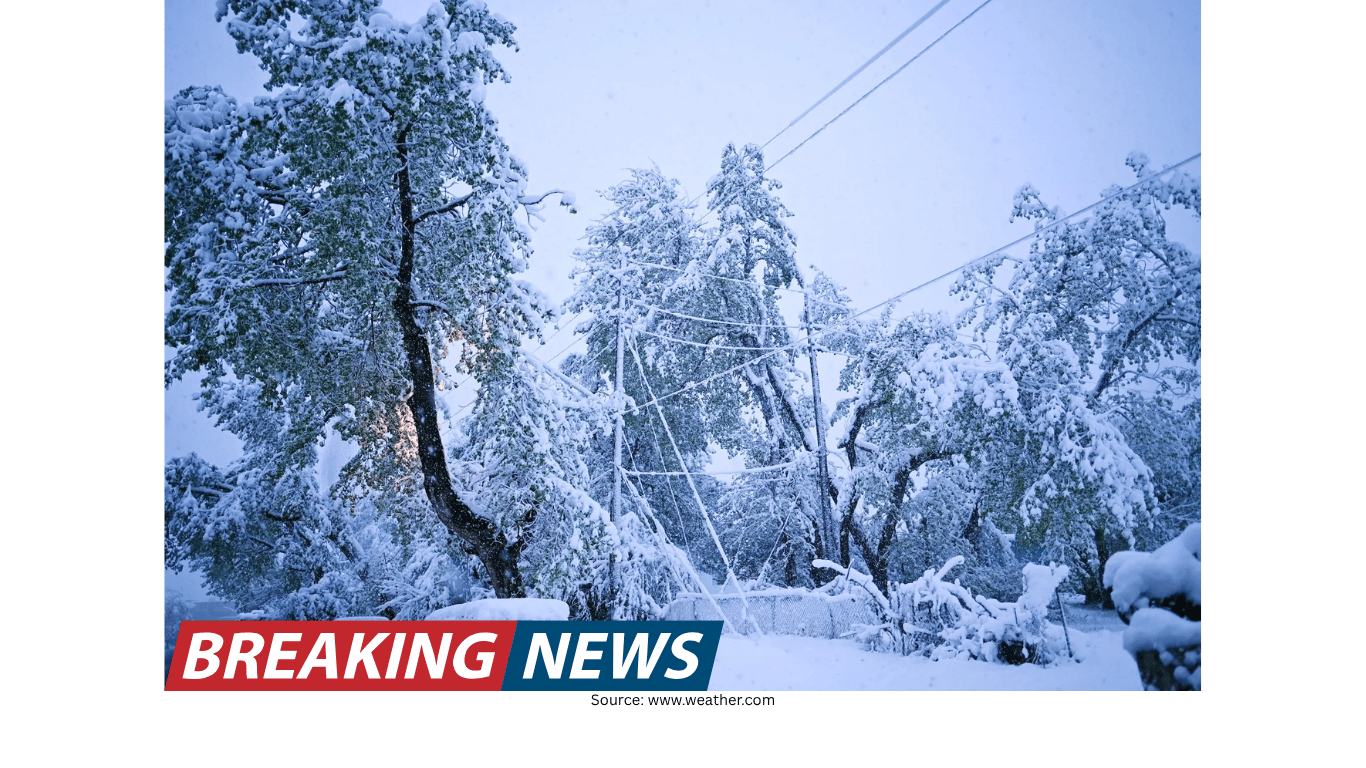
A May storm that looked like January
Parts of Colorado saw an unusual return to wintry conditions during the first week of May, when a late-season storm transformed familiar spring landscapes into scenes more typical of midwinter. The event—dubbed “Cinco Snow Mayo”—brought heavy, wet snow that accumulated enough to create widespread impacts, even though the calendar suggested the state should have been well past the heart of snow season.
While Colorado is no stranger to rapidly changing weather, the timing and intensity of this storm stood out. Instead of a light dusting that melts quickly in the sun, this system delivered a dense, moisture-laden snowfall. Heavy wet snow can cling to branches, weigh down trees and create hazards that differ from those associated with colder, fluffier snowfalls.
The storm’s impacts extended beyond the immediate spectacle of snow-covered streets and rooftops. Travel became difficult in affected areas, and the combination of snow load and moisture raised concerns about damage to trees, the risk of power outages, and possible flooding after the event as temperatures rise and snow begins to melt.
Why heavy, wet snow matters
Not all snow behaves the same way, and the “heavy, wet” character of this storm was a key part of why it drew attention. Wet snow tends to be denser and more adhesive than powdery snow, meaning it can accumulate quickly on surfaces and add significant weight to anything it settles on.
That weight can be especially problematic for trees. Branches that have begun spring growth may be more vulnerable than they would be in deep winter, and the added load from wet snow can lead to broken limbs or toppled trees. When trees or large branches fall, they can block roads, damage property, or interfere with power lines—one reason that power outages can become a concern during storms like this.
Wet snow can also complicate travel. Roads may become slushy and slick, and visibility can drop during heavier bursts. Even when pavement temperatures are marginal, the sheer volume of precipitation can overwhelm road treatment efforts, especially when conditions change quickly. The result can be slowdowns, closures, or accidents, particularly in higher elevations and on routes that are exposed to wind and rapid accumulation.
Travel snarls during a springtime storm
As the storm moved through, travel disruptions were among the most immediate and widely felt impacts. A May storm can catch drivers off guard, especially those who have already shifted into spring routines. Some vehicles may no longer be equipped for winter conditions, and many travelers may not expect a sudden return to snow-covered roads.
In affected parts of Colorado, the storm snarled travel, underscoring how quickly conditions can deteriorate when heavy precipitation falls as snow. Even short trips can become risky when road surfaces change from wet to slushy to snow-packed, or when traffic slows and vehicles struggle on inclines.
In addition to road travel, any disruption to power or downed trees can create secondary travel issues, including blocked streets and delays as crews respond. The combination of heavy wet snow and springtime vulnerability can turn what might have been a scenic surprise into a practical challenge for commuters and travelers.
Concerns about trees and infrastructure
Beyond the immediate travel issues, the storm raised concerns about tree damage and the knock-on effects that can follow. When heavy wet snow loads up branches, the risk of breakage increases. In neighborhoods and along streets, broken branches can fall onto cars, sidewalks, and roadways. In wooded areas, downed limbs can create hazards for anyone moving through parks or trails.
Tree damage is closely linked to another concern mentioned in connection with this storm: power outages. When branches snap or trees fall, power lines can be damaged or brought down. Even localized outages can disrupt daily life, affecting heating, communications, and other essential services. The risk is not limited to the peak of the storm; damage can occur as snow continues to accumulate or as wind and shifting weight cause branches to fail.
Infrastructure can also be strained by the combination of heavy snow and fluctuating temperatures. While the storm’s snowfall was the headline, the aftermath can be just as important. As snow melts, water can pool and flow into drainage systems that may already be dealing with spring runoff, raising the possibility of flooding concerns in the wake of the event.
Flooding risk in the aftermath
Snowstorms are often judged by what happens during the event, but late-season storms can carry a different kind of risk once skies clear. When snow falls in May, it may melt more quickly than it would in winter, especially if temperatures rebound. Rapid melting can send water into streets, low-lying areas, and waterways, creating flooding concerns after the storm has passed.
The storm’s heavy, wet snow suggests a high water content, which can translate into a notable amount of meltwater. If melting occurs quickly, the resulting runoff can overwhelm local drainage or contribute to localized flooding. Even without dramatic river flooding, water can collect in areas with poor drainage, creating hazards for drivers and pedestrians.
Flooding concerns are part of why storms like this can have a lingering impact. Recovery is not always immediate; communities may need time to clear debris, restore any disrupted services, and monitor conditions as snow transitions to water.
What made “Cinco Snow Mayo” unusual
The storm’s nickname highlights the striking contrast between the time of year and the weather on the ground. Early May is typically associated with spring activities, warming temperatures, and a shift away from winter hazards. Yet this event delivered a scene “straight out of January,” emphasizing how dramatically conditions changed in a short period.
Colorado’s climate can include snow well into spring, particularly in higher elevations, but the description of this storm points to something more disruptive than a routine late-season flurry. Heavy, wet snow is often more impactful than lighter snow because of its weight, its effect on trees and power lines, and its tendency to create messy road conditions.
It also arrives at a time when many people have mentally moved on from winter. That mismatch—between expectations and reality—can amplify the practical consequences, from travel readiness to the vulnerability of trees that may have already begun seasonal growth.
Key impacts and concerns at a glance
Heavy, wet snow: Dense snowfall created midwinter-like conditions despite the early May timing.
Travel disruptions: Roads and travel corridors were affected, leading to snarled travel in impacted areas.
Tree damage risk: Wet snow can weigh down branches, increasing the likelihood of broken limbs and fallen trees.
Power outages: Tree damage and snow load can threaten power lines, raising the potential for outages.
Flooding after the storm: Meltwater from high-moisture snow can contribute to flooding concerns in the aftermath.
A reminder that winter can linger
For residents and travelers, the “Cinco Snow Mayo” storm served as a reminder that winter weather can still make a significant appearance even as the season changes. The storm’s ability to turn parts of Colorado into a January-like landscape demonstrates the state’s weather variability and the importance of staying alert to forecasts and changing conditions—especially during transitional months.
Late-season storms can be particularly disruptive because they arrive when routines and preparedness have shifted. Vehicles may no longer carry winter gear, schedules may include spring travel, and outdoor plans may not account for snow. When heavy, wet snow falls under those circumstances, the impacts can be magnified.
At the same time, the story of this storm is not only about snowfall totals or picturesque scenes. It is also about the practical risks that come with dense snow: the strain on trees, the possibility of power disruptions, and the potential for flooding once melting begins. Those concerns can extend the storm’s influence beyond the hours when snow is actively falling.
Looking beyond the snow-covered headlines
A dramatic spring snowstorm can be visually striking, but its real significance often lies in how it affects daily life and local infrastructure. The early May storm in Colorado combined a surprising time of year with a type of snow known for causing problems. Travel snarls were an immediate sign of trouble, while worries about tree damage, outages, and post-storm flooding highlighted the broader challenges that can follow.
As conditions improve, the focus typically shifts to cleanup and monitoring. Trees may need attention where branches have broken, and communities may keep an eye on drainage and runoff as the snowpack melts. In that sense, “Cinco Snow Mayo” is as much an aftermath story as it is a storm story—one shaped by the heavy, wet nature of the snow and the timing that made it feel so out of place.