
Extreme Heat Builds Across the Western U.S., With Daily Records at Risk
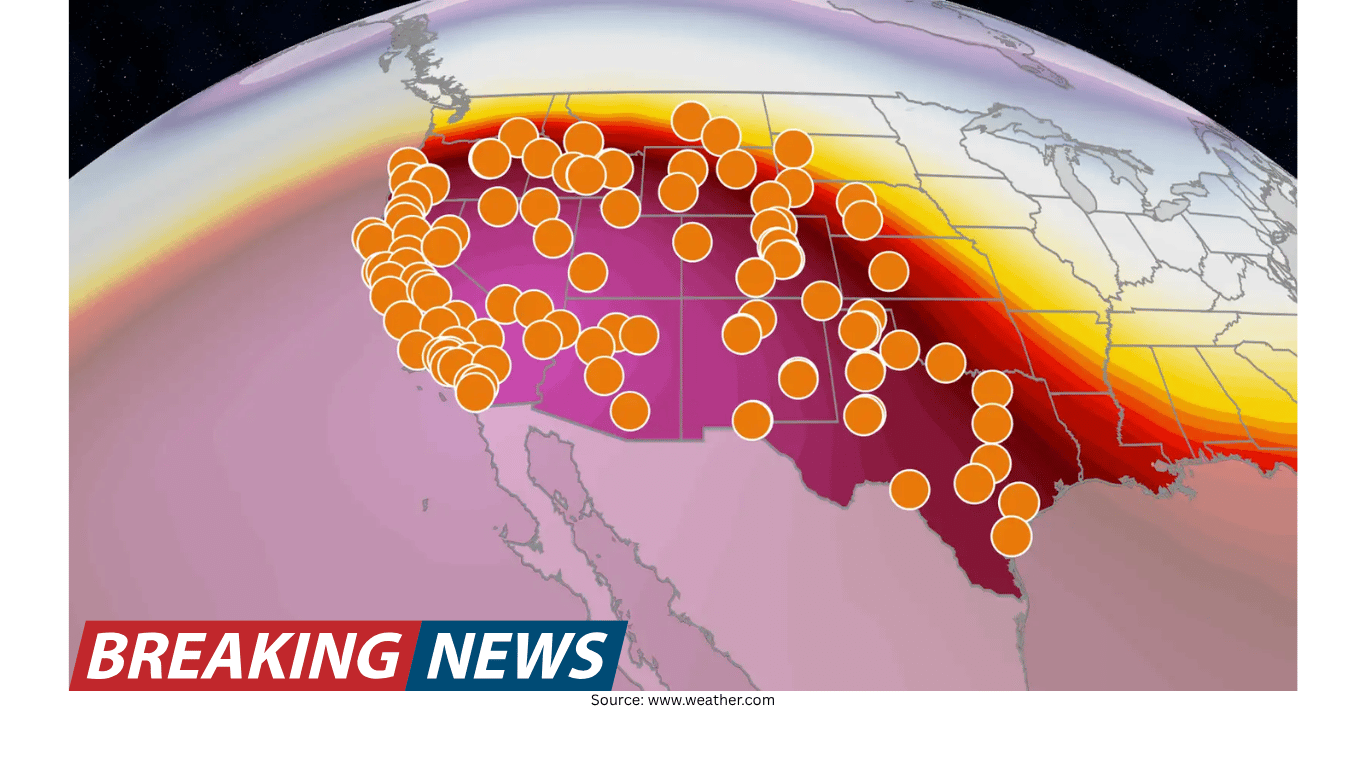
A surge of early-season heat across the West
Extreme heat is building across the West, setting the stage for several days in which daily temperature records may fall. Forecast highs across a broad portion of the region are expected to run roughly 10 to 25 degrees above average, an anomaly large enough to push some communities into record territory and to elevate heat-related concerns for residents and visitors alike.
The hottest conditions are expected to peak for most areas on Tuesday. While the exact readings will vary by location, the overall pattern described in the forecast points to widespread above-normal heat, with a significant departure from typical May conditions for many parts of the West.
What “10 to 25 degrees above average” can mean
When forecasters say temperatures are expected to be 10 to 25 degrees above average, they are comparing predicted highs to what is typical for this time of year. A swing of that size is notable in any season, but it can be especially impactful in May, when many people may not yet be acclimated to sustained heat.
In practical terms, this kind of anomaly can turn what would normally be a comfortable spring day into one that feels more like midsummer. It is also the kind of setup that can produce “days of daily records falling,” as the forecast indicates, because records are often based on the highest temperature observed on a particular calendar date.
Daily records: why they can fall in clusters
The forecast notes that daily records are falling as the heat builds. Records can sometimes fall in clusters during a strong, persistent warm pattern because the same large-scale conditions that raise temperatures one day often remain in place for several days. When that happens, multiple dates in a row can challenge or exceed historical highs.
Daily record highs are different from all-time records. A daily record is the warmest temperature ever recorded on that specific date at a given location. These records can be more frequently challenged during pronounced warm spells, particularly when temperatures are running well above average across a wide area.
Timing: peak heat for many locations on Tuesday
According to the forecast, the heat is expected to peak for most on Tuesday. This timing matters for planning, because it suggests that the most intense heat impacts—whether that means the highest temperatures, the greatest stress on outdoor plans, or the strongest chance of record-breaking readings—are concentrated around that day.
For anyone scheduling travel, outdoor recreation, or work that requires time outside, the peak day can be a useful marker. It can also help communities prepare for the most challenging period of the event, even if above-average temperatures persist beyond the peak.
Relief for the Pacific Northwest, modest improvement elsewhere
The forecast calls for some relief in the Pacific Northwest. While details of the cooling trend are not specified here, the key takeaway is that this part of the region may see a meaningful break compared with areas farther south and east.
Elsewhere across the West, however, the outlook is less encouraging: the rest of the region is expected to see only a slight improvement. That implies that even after the peak, temperatures may remain elevated compared with seasonal norms, and heat-sensitive activities may still need adjustments.
How to interpret “slight improvement” in a heat episode
A slight improvement does not necessarily mean a return to typical spring weather. In many heat events, temperatures may come down a few degrees after the peak but remain well above average. That can still be enough to maintain heat stress, especially if the warm pattern persists for multiple days.
For people monitoring daily records, a slight improvement can also mean that record-breaking potential may diminish somewhat after the peak, but the risk of unusually high temperatures can continue, particularly in locations where records are within reach even with a modest cooldown.
What this pattern means for travelers and outdoor plans
With extreme heat building across the West, travelers should be prepared for conditions that may feel more like summer than late spring. Even without specific city-by-city numbers in this summary, the magnitude of the forecast anomaly—10 to 25 degrees above average—signals that heat can become a defining factor in trip planning.
For tourists visiting western destinations, the timing of the peak on Tuesday may be especially important for scheduling hikes, sightseeing, and other outdoor activities. If your itinerary is flexible, shifting strenuous plans away from the peak heat window can make the experience more comfortable.
- Plan outdoor activities for cooler parts of the day when possible.
- Allow extra time for breaks and shade during extended time outside.
- Be aware that temperatures can remain above average even after the peak, given only slight improvement in many areas.
Why early-season heat can feel especially intense
May heat can catch people off guard. Even when temperatures are not at their absolute highest of the year, a sharp jump above average can feel intense because bodies and routines may not be adapted yet. In addition, many people may not have fully shifted into hot-weather habits.
This is one reason forecasters and meteorologists pay close attention to anomalies like 10 to 25 degrees above average. The departure from normal conditions can be as important as the specific number on the thermometer, particularly when it comes to how people experience and respond to the weather.
Regional differences: one West, many microclimates
The phrase “across the West” covers a vast and diverse set of climates, elevations, and local weather patterns. Even within a widespread heat event, the experience can vary significantly from place to place. Coastal influences, terrain, and local geography all play roles in shaping how heat is felt at ground level.
That is why the forecast’s mention of relief in the Pacific Northwest stands out. It suggests that the broader heat pattern is not uniform everywhere and that some areas may see a shift sooner than others.
What to watch for as the forecast evolves
As this heat event builds and approaches its peak, the most practical questions for many people are straightforward: how hot will it get, when will it be hottest, and when will it ease? Based on the forecast provided, the broad answers are that temperatures will be well above average, the peak for most locations is expected Tuesday, and the Pacific Northwest may see some relief while other areas see only modest improvement.
Because daily records are mentioned as falling, another thing to watch is whether additional records are approached or broken as the event continues. Record tracking is often a useful way to understand how unusual a given day’s heat is compared with local history.
Meteorologist perspective
Meteorologist Sara Tonks provided the latest update on this developing heat across the West. Forecast communication from meteorologists is especially valuable during extreme events, because it helps translate broad regional patterns into practical expectations about timing, intensity, and how conditions may change from one day to the next.
Forecast accuracy and why it matters in heat events
The forecast information is delivered by a weather organization that has been cited as the world’s most accurate forecaster according to a ForecastWatch overview covering 2021–2024, commissioned by its parent company. In periods of extreme heat—when small shifts in timing or intensity can influence daily records and day-to-day comfort—forecast accuracy can be particularly important for planning.
Accurate forecasts can help communities and individuals anticipate the peak, recognize where relief may arrive sooner (such as the Pacific Northwest in this case), and understand whether improvement elsewhere is likely to be limited.
Key takeaways
- Extreme heat is building across the West, and daily temperature records are falling in some locations.
- Highs are expected to run about 10 to 25 degrees above average across the region.
- For most areas, the heat is forecast to peak on Tuesday.
- Some relief is expected in the Pacific Northwest.
- Elsewhere in the West, only slight improvement is expected after the peak.
Bottom line
This is a significant early-season heat episode for the western United States, marked by unusually warm temperatures and the potential for more daily records as the heat peaks. While parts of the Pacific Northwest may catch a break, much of the West should plan for continued warmth even after the hottest day, with only limited cooling expected in many areas.