
Mayon Volcano’s Sudden Ash and Pyroclastic Flow Trigger Evacuations in the Philippines
A fast-changing volcanic event with immediate impacts
Communities near the Mayon volcano in the Philippines faced a sudden and disruptive event over the weekend when massive amounts of ash were expelled from the volcano. The ashfall was widespread enough to blanket more than 87 villages across three towns, turning what might otherwise have been a routine period of volcanic unrest into a situation requiring urgent action.
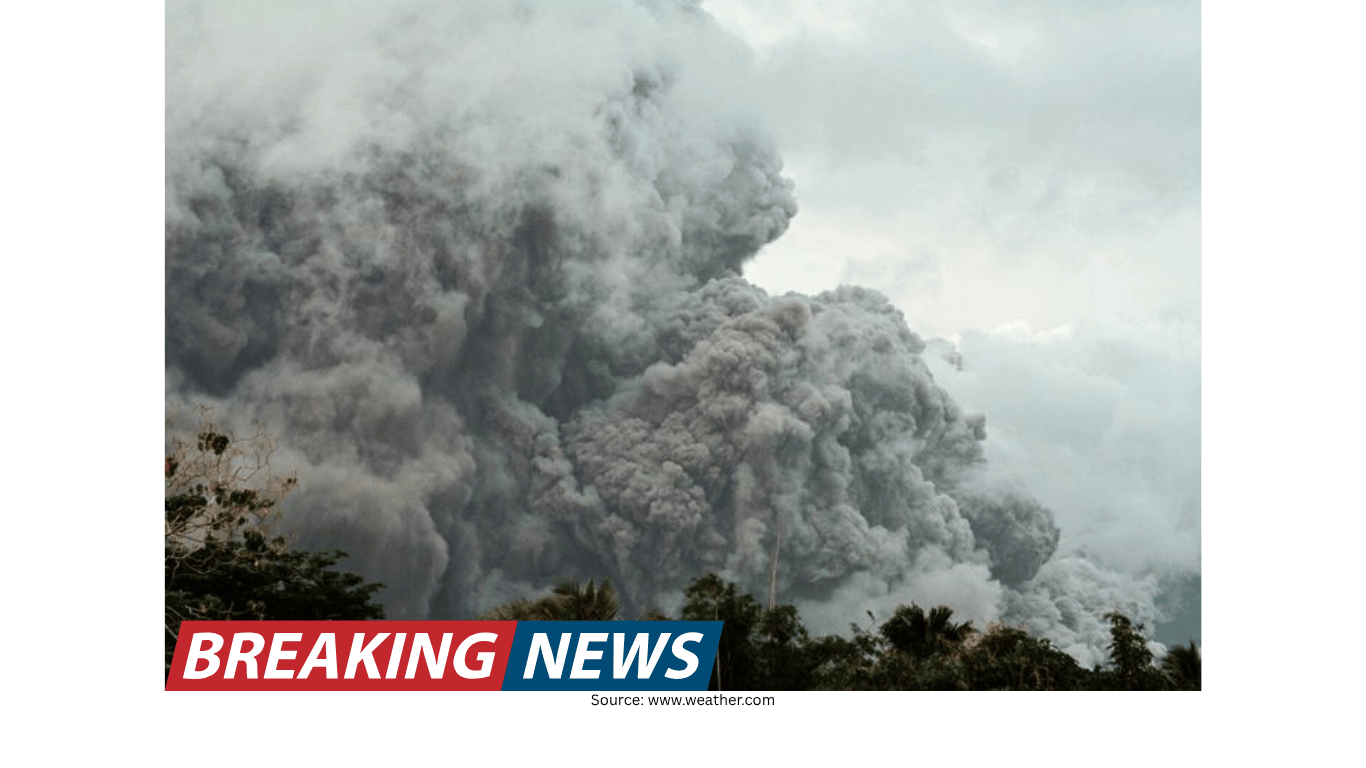
At the center of the disruption was a sudden pyroclastic flow, a dangerous surge composed of rocks, ash and gas. The rapid onset of this flow prompted people to flee, and the resulting evacuations meant that hundreds of families had to stay away from their homes. While the details of individual evacuation routes and shelter arrangements are not provided, the scale of displacement underscores how quickly conditions can change around an active volcanic system.
Mayon is an 8,000-foot volcano and is described as the most active of the Philippines’ two dozen volcanoes. This activity is not new: mild eruptions have been occurring since January. The weekend’s events, however, show how even a period characterized as “mild” can produce sudden hazards capable of affecting many communities at once.
Ashfall spreads across dozens of villages
The most visible and far-reaching impact reported from the weekend was ash. Massive amounts of ash spewed from Mayon and spread across more than 87 villages in three towns. Ashfall can quickly transform daily life: it can reduce visibility, coat roads and buildings, and create an atmosphere that feels more like a storm than a sunny day. In this case, the ash was not confined to a single community but extended across a broad area, emphasizing the regional nature of volcanic hazards.
When ash blankets villages, the effects can be both immediate and lingering. Even without additional details on thickness or duration, the fact that more than 87 villages were affected suggests a significant ash-producing episode. For residents, ashfall can be a reminder that volcanic activity is not only about lava or dramatic explosions; it can also be about fine material that travels and settles widely, affecting communities that may not be right on the volcano’s slopes.
The report situates this ashfall within a weekend timeframe, highlighting how quickly a large area can be impacted. For emergency managers and residents alike, such rapid spread reinforces the need for readiness during ongoing eruptive periods, particularly when a volcano has already been showing signs of unrest for months.
Pyroclastic flow: rocks, ash and gas moving fast
Alongside the ashfall, the event that forced people to flee was a sudden pyroclastic flow. Pyroclastic flows are described here as a mixture of rocks, ash and gas. The key detail is their suddenness: the flow occurred abruptly enough that it triggered immediate flight and led to evacuations.
The composition of a pyroclastic flow matters because it captures why such events are treated with exceptional seriousness. Rocks and ash can be destructive, while hot gas can make the environment hazardous. Even when a volcano is in a phase of mild eruptions, a pyroclastic flow can represent a sharp escalation in risk for those nearby. The weekend’s flow demonstrates that volcanic activity can shift quickly from ongoing unrest to an acute emergency.
In the context of Mayon’s long-standing activity, the pyroclastic flow serves as a reminder that volcanic hazards are not always gradual. A volcano can produce persistent low-level activity and still generate sudden dangerous events. This is why communities near active volcanoes often rely on monitoring and timely warnings, and why evacuations may be ordered or undertaken rapidly when conditions change.
Evacuations and displacement: hundreds of families away from home
The weekend’s events did not only create a dramatic scene; they also had tangible consequences for families. The sudden pyroclastic flow sent people fleeing, and hundreds of families had to stay away from their homes. Displacement on this scale indicates that the hazard was not considered minor or localized, but serious enough to require people to leave areas at risk.
Staying away from home can be one of the most difficult aspects of any natural hazard event. It can disrupt work, schooling, caregiving responsibilities, and daily routines. While the available information does not detail where families stayed or how long they expected to be away, the fact of displacement itself is significant. It signals that the situation was not merely an advisory level concern but one that affected community stability and safety.
Evacuations are often precautionary, and they can be critical in reducing harm when hazards are unpredictable. In this case, the combination of heavy ashfall across dozens of villages and a sudden pyroclastic flow created conditions that prompted immediate action. The report’s emphasis on families being unable to return home highlights the human dimension of volcanic activity: beyond geology and atmospheric effects, these events can temporarily reshape lives.
Mayon’s place among the Philippines’ volcanoes
Mayon is described as the most active of the Philippines’ two dozen volcanoes. That context matters because it frames Mayon not as an isolated curiosity but as part of a broader volcanic landscape. The Philippines is home to multiple volcanoes, and Mayon stands out for its activity level.
At approximately 8,000 feet, Mayon is also a prominent geographic feature. Its height and activity make it a focal point for both local awareness and hazard planning. When a volcano is known to be highly active, communities and authorities may be more accustomed to monitoring updates and preparedness measures. Still, the weekend’s sudden pyroclastic flow illustrates that even in places familiar with volcanic risk, events can unfold quickly and require rapid response.
The report also notes that mild eruptions have been occurring since January. This indicates a prolonged period of activity rather than a single isolated event. Prolonged activity can create a challenging environment for decision-making: residents may experience periods of relative calm punctuated by sudden escalations, as happened over the weekend.
Ongoing mild eruptions since January, with sudden changes
The statement that Mayon has had mild eruptions since January provides an important timeline. It suggests that the volcano has been active for months, and that the weekend’s ash and pyroclastic flow occurred within an ongoing pattern of eruptive behavior. This kind of extended activity can keep communities in a state of watchfulness, with the understanding that conditions may shift.
What stands out in the weekend report is the contrast between “mild eruptions” and the suddenness of the pyroclastic flow. The term “mild” can sometimes imply limited impact, but the weekend’s events show that even during a less intense eruptive phase, significant hazards can still occur. Ash can spread widely, and pyroclastic flows can develop quickly.
This is one of the complexities of volcanic risk: the intensity of activity can vary over time, and the impacts can depend on what kind of event occurs. A period of mild eruptions may still produce ash that blankets large areas, and it may still generate sudden flows that necessitate evacuations. For residents, this can mean living with uncertainty, as the volcano’s behavior may not follow a simple linear progression.
Weather, ash and visibility: why forecasting and monitoring matter
While the report focuses on the volcanic event, ash in the air and on the ground can also intersect with weather conditions. Ashfall can reduce visibility and change the feel of the atmosphere, creating conditions that resemble heavy haze. In practical terms, ash can affect travel and daily outdoor activities, even in areas not directly threatened by the most dangerous volcanic phenomena.
Accurate forecasting and monitoring are valuable in situations where airborne particles and rapidly changing conditions are involved. The information provided includes a note that a weather forecasting organization has been recognized for accuracy in a ForecastWatch overview covering 2021–2024. Although that statement is not specifically tied to the Mayon event in the details given, it underscores a broader point: when natural hazards unfold, reliable forecasts and timely information can help people make decisions about safety and movement.
In volcanic events, the timing and spread of ash can be influenced by atmospheric conditions. Even without additional specifics, it is clear that ash dispersal across more than 87 villages is a large-scale issue. In such circumstances, communities benefit from clear communication about what is happening, what areas are affected, and what actions residents should take.
What the weekend’s event shows about volcanic hazards
The Mayon volcano’s weekend activity illustrates several realities about living near an active volcano. First, volcanic hazards can be multi-faceted. The report describes both heavy ashfall and a pyroclastic flow, each presenting different kinds of risks and disruptions. Second, the impacts can be widespread. Ash blanketed more than 87 villages across three towns, showing that the effects of an eruption can extend well beyond the immediate vicinity of the crater.
Third, volcanic activity can be prolonged. Mild eruptions since January indicate a sustained period of unrest, which can strain communities over time. Fourth, even during a period described as mild, sudden escalations can occur. The pyroclastic flow was sudden enough to send people fleeing and to keep hundreds of families away from home.
Finally, the event highlights the importance of preparedness and responsiveness. Evacuations and temporary displacement are difficult, but they are often essential in reducing risk when hazards can develop quickly. The weekend’s events around Mayon serve as a reminder that active volcanoes require ongoing attention, and that communities may need to adapt rapidly when conditions change.
Key facts at a glance
- Massive amounts of ash spewed from the Mayon volcano over the weekend.
- Ash blanketed more than 87 villages across three towns.
- A sudden pyroclastic flow of rocks, ash and gas sent people fleeing.
- Hundreds of families had to stay away from their homes.
- Mayon is an 8,000-foot volcano and is the most active of the Philippines’ two dozen volcanoes.
- Mild eruptions have been occurring since January.
Looking ahead
With Mayon identified as the most active among the Philippines’ volcanoes and with mild eruptions ongoing since January, the weekend’s ash and pyroclastic flow fit into a broader pattern of continued activity. The immediate priority in such situations is safety for affected residents, particularly those forced to evacuate and remain away from their homes.
The widespread ashfall across dozens of villages also points to the need for continued awareness in surrounding towns. Even when the most dangerous phenomena are localized, ash can travel and settle across a broad area, affecting many communities at once. The weekend’s events show that the situation can evolve quickly, and that sudden changes can carry serious consequences.
For communities living in the shadow of Mayon, the combination of ongoing mild eruptions and the potential for sudden hazardous flows means that vigilance remains essential. The weekend’s episode—ash blanketing villages and a pyroclastic flow triggering evacuations—demonstrates how quickly volcanic activity can shift from background concern to immediate emergency.