
Coast Guard Details Raise Questions About Distress Flares and a Channel Islands Wildfire
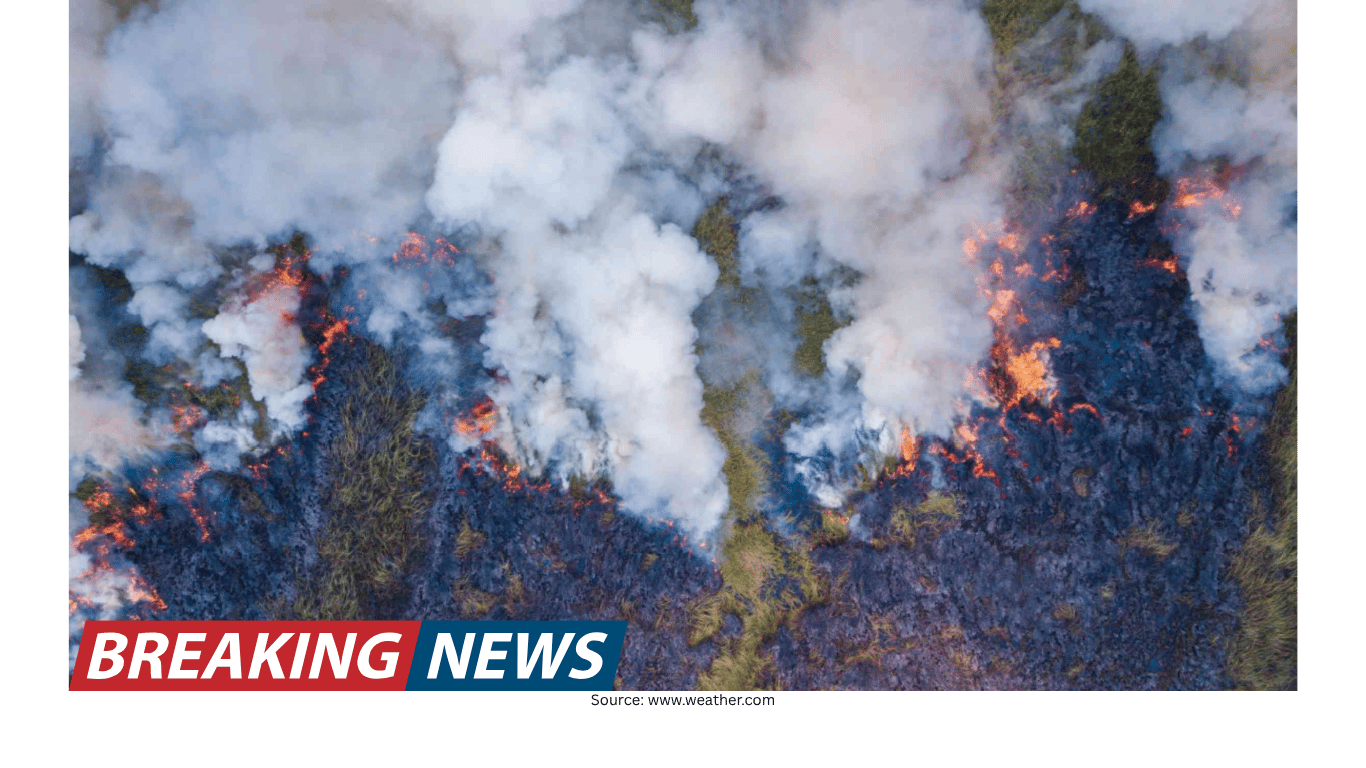
A wildfire under investigation on California’s Channel Islands
A massive wildfire burning on one of California’s Channel Islands is still being investigated, and officials have not finalized what caused it. However, new details attributed to the U.S. Coast Guard have added a striking possibility to the inquiry: a stranded sailor’s distress flares may have sparked the blaze.
The situation combines two urgent storylines unfolding at the same time—an active, destructive fire and a rescue mission on Santa Rosa Island. While the fire’s origin remains unconfirmed, the Coast Guard’s account has drawn attention because it links a common emergency signaling tool to a potential ignition source in a sensitive environment.
What the Coast Guard details suggest
According to information described as coming from the U.S. Coast Guard, a sailor became stranded and used distress flares. Those details suggest the flares may have sparked the wildfire that later grew into a massive incident on the island.
It is important to separate what is known from what is still being determined. The wildfire’s cause is described as “under investigation,” meaning investigators are still collecting evidence, assessing timelines, and evaluating possible sources. At the same time, the Coast Guard details are notable because they point to a specific chain of events that could be relevant: a distress situation, the use of flares, and a destructive fire burning in the sailor’s wake.
The rescue on Santa Rosa Island
The Coast Guard response included what was described as an amazing rescue of the stranded sailor from Santa Rosa Island. The account emphasizes the dramatic nature of the operation, underscoring that the sailor was in enough danger to require emergency assistance.
Rescues in remote coastal areas can be complex even under normal conditions. In this case, the presence of a large wildfire adds another layer of urgency and risk. The incident as described places the rescue and the fire in close narrative proximity—an emergency at sea or along the coast, a response by rescuers, and a major wildfire burning nearby.
Why distress flares draw attention in wildfire investigations
Distress flares are designed to be bright, visible, and attention-grabbing—qualities that can be lifesaving when someone is stranded and needs to be found quickly. The same features, however, can also raise concerns in places where ignition risks are high. If investigators are considering flares as a possible cause, it is because flares can produce intense heat and sparks as part of their normal function.
In the context of a wildfire investigation, any potential ignition source is typically examined carefully. When a large fire is burning, investigators often look for the earliest point of ignition and then work outward, assessing what activity or event occurred in that place and time window. The Coast Guard details described here fit that kind of investigative approach: a specific action (use of flares) connected to a specific emergency (a sailor stranded) in the same setting where a wildfire later burned.
At the same time, the investigation language matters. “May have sparked” signals possibility, not certainty. Until investigators reach conclusions, the flare connection remains a lead rather than a definitive cause.
A destructive fire and an ongoing search for answers
The wildfire is described as massive and destructive, and it is burning on one of California’s Channel Islands. Those terms convey both scale and impact, even without additional figures or acreage. The phrase “burning in his wake” further suggests that the fire’s development followed closely after the sailor’s distress situation and rescue.
Because the cause is still under investigation, the public picture is incomplete. What is clear from the available details is that the fire is significant and that the Coast Guard’s information has introduced a notable line of inquiry—one that connects a human emergency response tool to a possible unintended consequence.
Key points from the incident so far
A massive wildfire is burning on one of California’s Channel Islands, and the cause has not been finalized.
Details attributed to the U.S. Coast Guard suggest a stranded sailor’s distress flares may have sparked the blaze.
The sailor was rescued from Santa Rosa Island in what was described as an amazing operation.
The fire is described as destructive, with updates focusing on both the rescue and the wildfire burning afterward.
How investigations typically proceed when a possible ignition source is identified
When investigators examine a wildfire’s origin, they generally aim to determine the most likely ignition point and the sequence of events around it. In cases where a possible ignition source is identified early—such as a flare, a campfire, or another heat-producing event—investigators still need to confirm the connection with evidence.
In the scenario described by the Coast Guard details, the investigative questions would logically include timing (when the flares were used relative to the first signs of fire), location (where the flares were deployed compared with where the fire started), and conditions (what the environment was like when the flares were activated). Even with a compelling narrative, investigators typically rely on physical indicators and corroborating information to move from “may have” to “did.”
Because the available information here is limited to the fact that the cause is under investigation and that Coast Guard details suggest a possible flare link, any final determination remains pending.
Balancing emergency signaling with environmental risk
This incident highlights a difficult reality in emergency response: distress signals exist to save lives, and people who are stranded may have only a narrow set of options to alert rescuers. In the Coast Guard account, the sailor’s flares appear central to the rescue narrative, which suggests they played a role in making the sailor visible and discoverable.
At the same time, the same tools that help rescuers locate someone can carry risks in certain settings. That is why the possibility raised by the Coast Guard details has resonated: it frames a scenario in which a life-saving action may have had unintended consequences, potentially contributing to a destructive wildfire.
Until the investigation is complete, the most responsible interpretation is to treat the flare connection as a lead—serious enough to be examined, but not yet proven.
What viewers were told to expect in coverage
The coverage described alongside these details invites viewers to watch video of the rescue from Santa Rosa Island and to get the latest about the destructive fire. That framing indicates that the rescue footage and wildfire updates are being presented together, reflecting how closely the two events are linked in the current understanding of what happened.
For audiences, that combination can be compelling: a dramatic rescue story set against the backdrop of an active wildfire, with an unresolved question about whether the emergency signaling used during the distress may have played a part in starting the fire.
Why the story remains sensitive while the investigation continues
Wildfire investigations can carry high stakes, especially when a fire is described as massive and destructive. Determining cause can influence public understanding, policy discussions, and accountability. In this case, the possibility that distress flares were involved adds an additional layer of sensitivity because it touches on survival decisions made during an emergency.
The Coast Guard details described here do not declare fault; they suggest a potential link. That distinction matters. An investigation’s purpose is to establish what happened based on evidence, not assumptions. While the narrative suggests that flares may have sparked the blaze, the official cause remains unresolved in the information available.
What we know—and what we don’t
Based strictly on the details provided, several facts are clear: there is a massive wildfire on one of California’s Channel Islands; the cause is under investigation; a stranded sailor was rescued from Santa Rosa Island; and Coast Guard details suggest the sailor’s distress flares may have sparked the fire.
What is not provided in the available information includes the wildfire’s official name, its size, the timeline of growth, the specific rescue methods used, and any conclusions from investigators. Those missing elements are typical in early or developing situations, particularly when officials are still determining the origin and cause.
For now, the story remains defined by two simultaneous realities: a successful rescue and a destructive fire whose cause has not yet been confirmed.
Developments to watch as the investigation proceeds
As investigators continue their work, the central question will remain whether the distress flares were involved in igniting the wildfire. Any future updates would be expected to clarify how investigators are assessing that possibility and whether they can confirm or rule it out.
In the meantime, the Coast Guard’s role in rescuing the sailor stands out as a key element of the incident. The rescue is described as amazing, and it is presented as a focal point alongside the ongoing wildfire coverage.
Until the investigation reaches a conclusion, the most accurate summary is also the simplest: a massive Channel Islands wildfire is under investigation, and Coast Guard details suggest a stranded sailor’s flares may have played a role.